what to see
Igreja Paroquial de Guetim (Parish Church of Guetim), a temple dating from 1872, a landmark of the locality's identity and devotion.<p>Igreja Paroquial de Anta (Parish Church of Anta), from the 18th century, a testament to the community's deep-rooted faith.<p>Capela de Nossa Senhora da Conceição (Chapel), also known as the Capela de Lourdes.<p>Cruzeiro da Igreja Paroquial de Guetim, part of the local religious heritage.
history
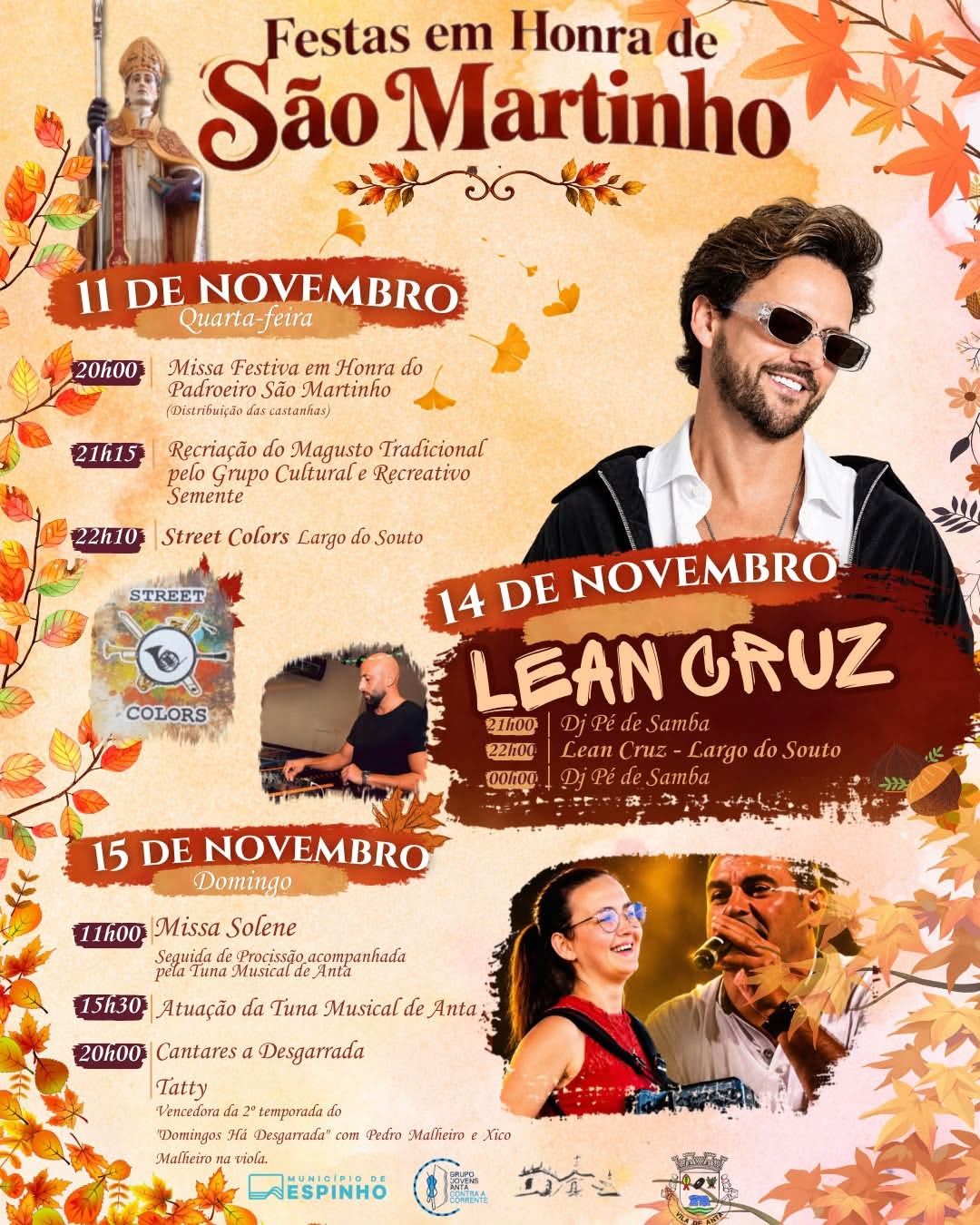
There are lands that cling to the sea and others that breathe the serenity of the fields just a short distance from the spray of the waves. Anta and Guetim, in the municipality of Espinho, are two names that walk side by side, each with its own history, its own people and its own ways of being, yet united by the same Atlantic light and the same warmth of the people who live there.<p>The history of these lands is, above all, the history of those who inhabited them and shaped them across the generations. Anta and Guetim preserve the memory of agricultural and working communities, of families who passed from parents to children their attachment to the ground beneath their feet. These are not lands of great, noisy feats, but of a life built on constancy, faith and work — that silent dignity of Portuguese villages that endure and remain true to themselves.<p>In terms of heritage, it is in their churches and chapels that these lands reveal their most contemplative soul. The Igreja Paroquial de Guetim (Parish Church of Guetim), built in the nineteenth century, is one of the landmarks that anchors the identity of the locality, a place of gathering and devotion for those who grew up there. In Anta, the Igreja Paroquial dates back to the eighteenth century, a testament to a deep-rooted faith that has crossed generations and still marks the rhythm of the community today. Alongside these stand various chapels scattered across the territory, small oratories and shrines where the sacred becomes intimate and close to the people — among them the Capela de Nossa Senhora da Conceição, also known as the Capela de Lourdes. These are the soulful places of these lands: not pompous monuments, but spaces of quiet reflection where time seems to slow and where every stone tells a story of popular devotion.<p>The traditions and customs of Anta and Guetim draw deeply from that same communal spirit. Santo Estêvão and Nossa Senhora da Guia are celebrated, names that fill the local calendar and form part of the intangible heritage passed down from generation to generation. Popular religiosity, local devotions and a sense of belonging to a community are the thread that runs through these celebrations. It is in those moments that doors open, that neighbours come together and that the land rediscovers itself, reaffirming bonds that daily life sometimes allows to lie dormant.<p>At the table, Anta and Guetim share the gastronomic richness of this coastal strip, where the sea and tradition go hand in hand. The sopas do Espírito Santo (traditional Holy Spirit soups) and caldeiradas de peixe (fish stews) recall the proximity of the Atlantic waters, while the caldos de peixe (fish broths) and peixe com molho ferrado (fish with a rich dark sauce) demonstrate the art of making the most of what the sea provides. Polvo guisado em vinho de cheiro (octopus stewed in aromatic wine) is a dish of celebration and respect, prepared with the care that only old recipes deserve. Among the meat dishes, torresmos de carne de vinha d'alhos (pork marinated in wine and garlic) and molha de carne (a rich meat stew) speak of generous and flavourful meals, made without haste. Nor is there any shortage of inhame com linguiça (yam with smoked sausage), humble and comforting, or the sweet that crowns the table: massa sovada (a slowly kneaded sweet bread), and bolo do forno ou do tijolo (oven- or brick-baked cake), with its unmistakable homemade flavour. All of this cuisine rests on the same philosophy — using local produce, honouring inherited recipes and passing down, from grandparents to grandchildren, the gestures and secrets that make every dish a living legacy.<p>This is the portrait of Anta and Guetim: two localities that, each in their own way, preserve what is essential. The faith gathered in churches and chapels, the celebrations that bring people together, the flavours that perfume the kitchens and, above all, the people — those who, day after day, keep alive the flame of an identity built on simplicity, hard work and love of the land. Those who pass through here leave with the certainty of having encountered an authentic Portugal, not the kind found on postcards, but at a shared table and in the smile of those who welcome you.