what to see
Igreja Matriz de São Bento (Church of São Bento), a 16th-century church featuring a 17th-century gilded and polychrome altarpiece, the Capelo do Santíssimo, and altars dedicated to São Bento, Santo António and São Pedro.<p>Museu do Tesouro da Igreja Matriz, where the sacred collection gathered over generations is carefully preserved.<p>Museu Etnográfico, which holds the memory of the region's traditional ways of life.<p>Mercado Municipal, the hub of daily life, offering fresh local produce and traditional snacks.
about the place
Nestled along the southern coast of the island of Madeira, in the concelho of Ribeira Brava, this is one of the oldest settlements on the island, founded around 1462. The landscape blends the sea with sun-facing terraces, in a life shaped by fishing, farming and trade. The Igreja Matriz (parish church), dedicated to São Bento, dates back to the sixteenth century and houses a gilded and polychrome carved altarpiece from the seventeenth century.
history
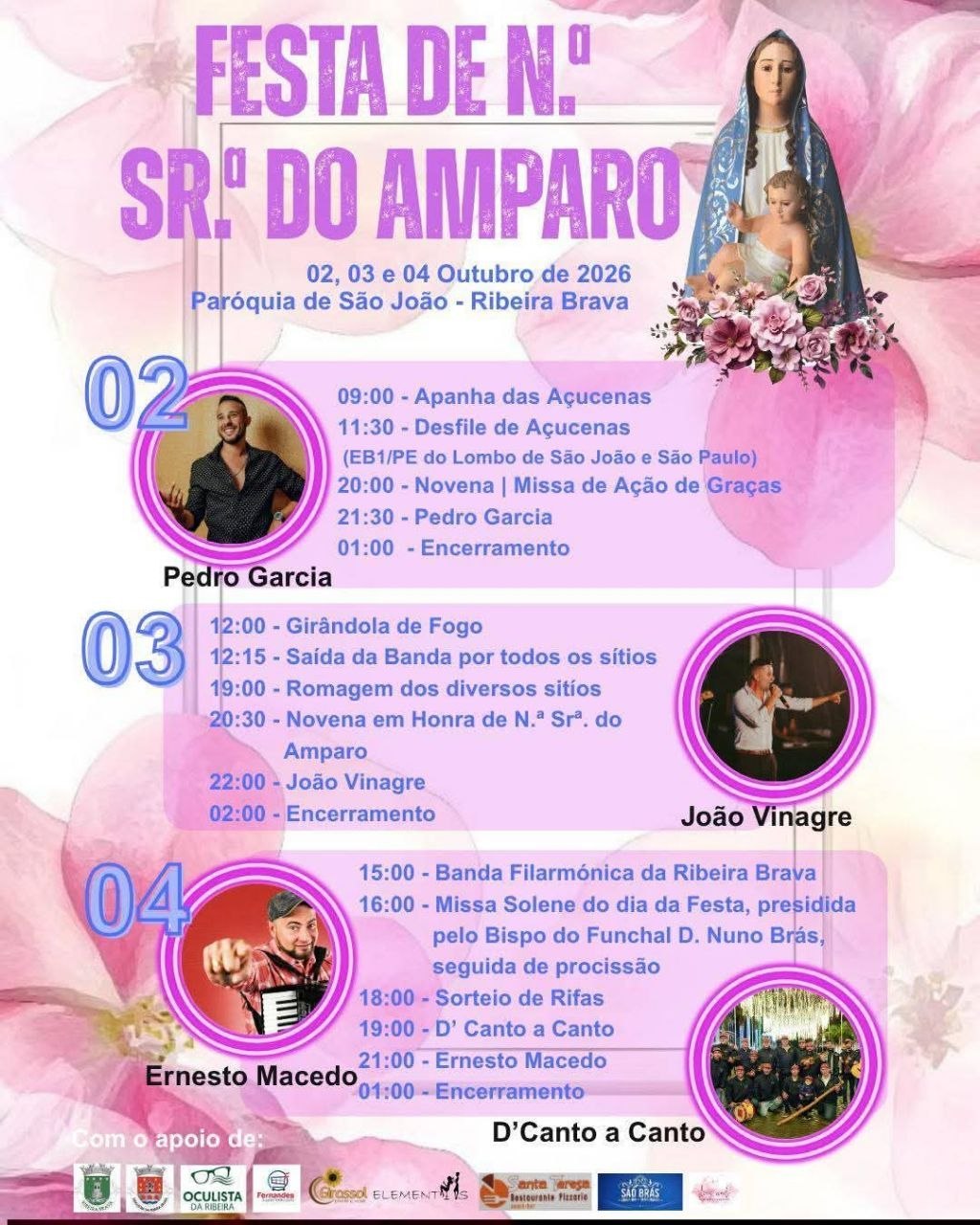
Overlooking the southern coast of the island of Madeira, Ribeira Brava is one of the oldest settlements on this Atlantic island, founded as far back as the 15th century, around 1462. It is a place of long memory, whose people have spent centuries bound to the sea and the land, patiently building a way of life rooted in fishing, farming and trade — the three crafts that still define the character of this parish today.<p>The history of Ribeira Brava is inseparable from the history of its hardworking people. It has always been a land of those who cast nets into the sea and those who tilled the sun-facing terraces, making the most of every inch of fertile soil the hillside had to offer. Between the smell of the sea and the green of the crops, a community grew in which trade took on a life of its own, making the parish a meeting point and marketplace on the southern coast of Madeira. It is this crossroads between sea and mountain, between fisherman and farmer, that gives Ribeira Brava its particular soul.<p>Those who stroll through the parish will find a heritage well worth a leisurely visit. The greatest jewel is the Igreja de São Bento (Parish Church of São Bento), a monument of great architectural, historical and artistic significance, with clear regional prominence. Inside, treasures are kept that tell centuries of devotion: the Capela do Santíssimo, the altars of São Bento, Santo António and São Pedro, and the Museu do Tesouro da Igreja Matriz, where the sacred collection accumulated over generations is carefully preserved. But Ribeira Brava is not only sacred stone. The Mercado Municipal is the beating heart of daily life — a place of voices, colours and abundance — and the well-tended gardens invite visitors to slow their pace. There is also the Museu Etnográfico, which gathers the memory of traditional ways of life, and a collection of statues and monuments scattered throughout the parish commemorating those who passed through and worked here.<p>The traditions of Ribeira Brava remain very much alive and are an essential part of what this place is. Throughout the year, the parish fills with popular festivals, arraiais and romarias that bring neighbours together and preserve the customs inherited from ancestors. These are moments of music, dancing and celebration in which the community recognises itself, affirming its attachment to its roots and its desire to pass on to future generations what it has received. This festive vitality is, indeed, one of the most recognisable hallmarks of the parish across the whole island.<p>At the table, Ribeira Brava reveals another of its great riches. The local cuisine is generous and full of character: there is bacalhau à Ribeira Brava (a salt cod dish with its own signature), carne de vinho e alhos (the quintessentially Madeiran pork marinated in wine and garlic), the comforting açorda madeirense (a bread-based soup) and espetada de carne (meat skewered on bay laurel sticks, almost a ritual of the island). But the flavour starts in the land. Here, batata-doce (sweet potato), cana sacarina (sugar cane), vinha (vine), bananas and a variety of exotic fruits are grown, doing full justice to the mild climate of the southern coast. At the market you will find the best the region has to offer, from fresh and traditional produce to a collection of snacks that delight all who enjoy tasting: picados, bochechas de porco preto (black pork cheeks), empanadas and queijos (cheeses). It is a table that speaks of land and sea, of the ingenuity of its people and of the ancient knowledge of turning the simple into the memorable.<p>To visit Ribeira Brava is, at its heart, to let yourself be carried by this harmony between the sacred and the everyday, between the blue of the sea and the green of the terraces, between the history preserved in museums and the life that pulses through the market and the festivals. It is a place that does not reveal itself at a glance — it asks for time, a willing palate and a desire to listen to its stories.