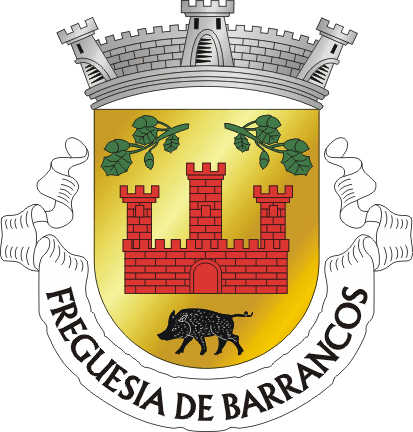
Ruínas do Castelo de Noudar (ruins of Noudar Castle) and the old village of Noudar; Museu Arqueológico e Etnográfico de Barrancos (Archaeological and Ethnographic Museum).
about the place
The parish of Barrancos covers the entire municipality of the same name, in the district of Beja: 168.42 km² and around 1,430 inhabitants, close to the border with the Spanish provinces of Badajoz and Huelva. The patron saint is Nossa Senhora da Conceição, celebrated during the Festas de Agosto (28th to 31st). The local dialect spoken here is barranquenho, and the Presunto de Barrancos (a cured ham) holds protected designation of origin status.
history
The territory of Barrancos has been occupied since the Chalcolithic period, and later by Romans and Visigoths. It was reconquered from the Moors in 1167 by Gonçalo Mendes da Maia, known as o Lidador, and D. Sancho I ordered its repopulation in 1200. The seat was then the town of Noudar, within the fortress of the same name, which received its charter from D. Dinis in 1295, when it was definitively incorporated into the Kingdom of Portugal. Around 500 years later, from 1825 onwards, Noudar gradually lost its military importance and became depopulated, and the seat of the municipality moved to the present-day town of Barrancos. The proximity of the border gave the town a lively smuggling trade until the end of the 1970s.